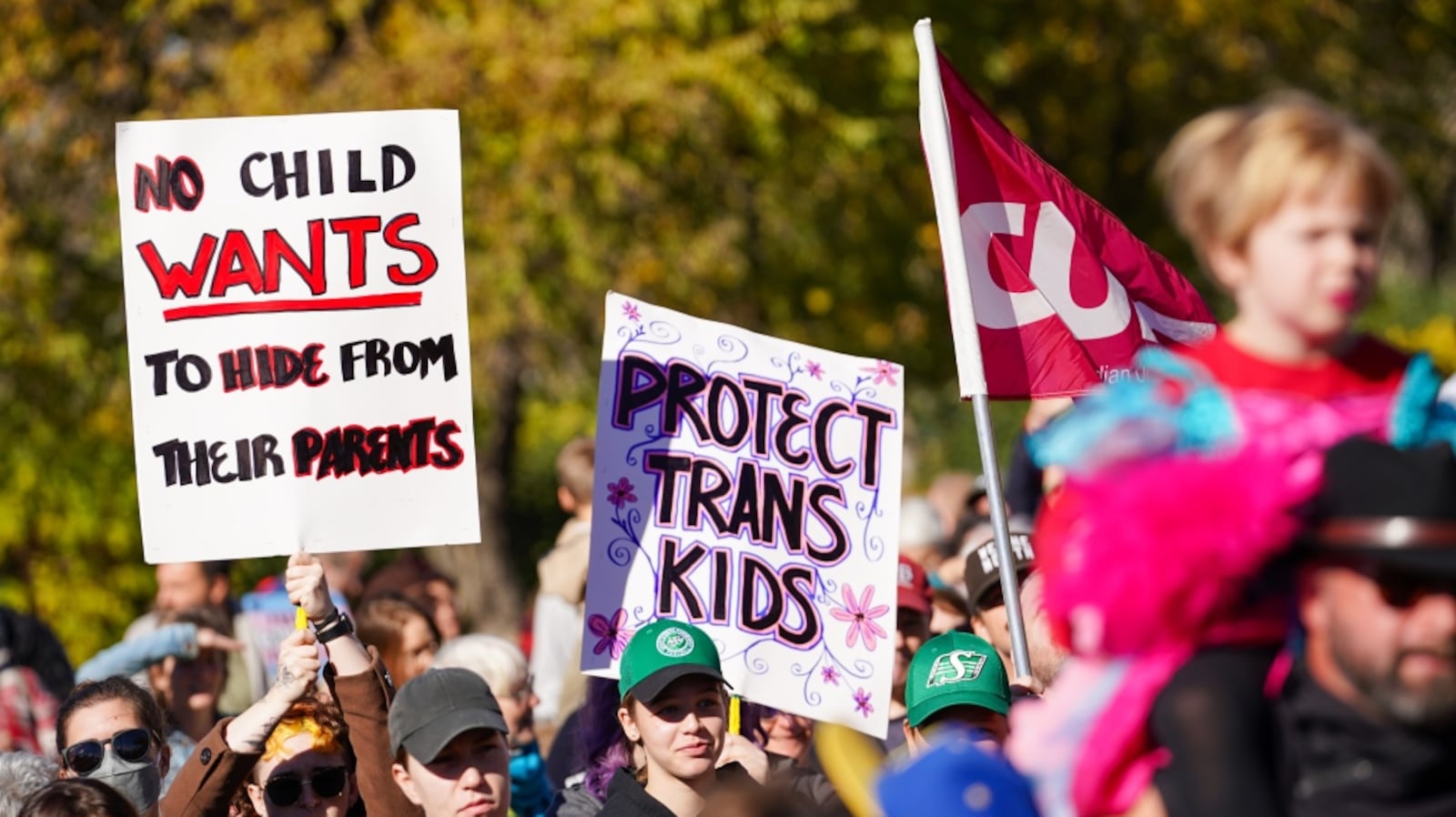
Amnesty International Canada has announced it will make verbal arguments before the Supreme Court of Canada in relation to the constitutional challenge against Saskatchewan’s school pronoun law. Amnesty International Canada revealed on Thursday it had become one of 22 organizations granted intervenor status in the case. The policy prevents children under 16 years of age from changing their names or pronouns at school without parental consent. Premier Scott Moe’s Saskatchewan Party government introduced the rule as policy in 2023, arguing parents should be involved in decisions their children make at school. Lawyers for the UR Pride Centre for Sexuality and Gender Diversity challenged the rule in court, arguing it violates Charter rights and causes irreparable harm to gender diverse youth. Following the legal challenge, the province utilized the notwithstanding clause and enshrined the policy legislation in the form of the Parents’ Bill of Rights. After Saskatchewan’s highest court ruled a legal challenge of the policy could move forward late last year – the province sought leave to appeal at the Supreme Court of Canada. Intervenors are able to file a written submission of up to 10 pages and can present oral submissions of up to five minutes when the Supreme Court hears the appeal. Amnesty International Canada previously served as a judicial intervenor when the case was heard by Saskatchewan’s Court of Appeal. In its submission to that court, the organization argued the interpretation of the notwithstanding clause must align with Canada’s obligations under international law to uphold the right to an effective remedy. “UR Pride’s challenge to the Saskatchewan government is a powerful example of resistance – and a bright ray of hope – at a moment when hard-won rights are under attack from many sides,” said Ketty Nivyabandi, Secretary General of Amnesty International Canada. A date for the Supreme Court hearing has not been set.
|